Ir directamente a la información del producto
1 de 14

Sustitución de parabrisas y bastidor de la serie D de Caterpillar

Sustitución de parabrisas y bastidor de la serie D de Caterpillar

Se adapta a los siguientes modelos:
Minicargadores Caterpillar 216D, 226D3, 228D, 232D, 232D3, 236D, 236D3, 236DR, 239D, 239D3, 239DR, 242D, 242D3, 242DR, 246D, 246D3, 248D, 249D, 249D3, 252D, 257D, 257D3, 259D, 259D3, 262D, 262D3, 267D, 272D, 272D2, 272D2HXP, 272DXHP, 272D3, 272D3XHP, 277D, 279D, 279D3, 287D, 289D, 289D3, 297D, 297DXHP, 297D2, 297D2XHP, 299D, 299D2, 299D3, 299DR, 299DXHP, 299D2XHP y 299D3XHP
El paquete incluye:
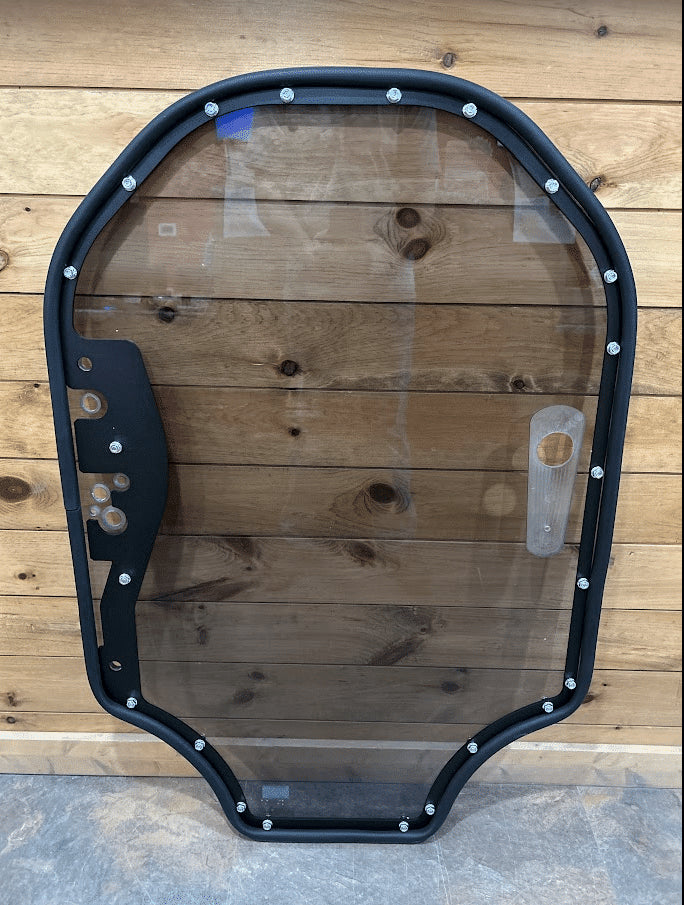
  • Marco de acero calibre 12 con recubrimiento de polvo y burlete
  • Parabrisas de policarbonato de 1/2″ (transparente o tintado al 50%) con herrajes de acero inoxidable atornillados alrededor de la puerta
  • Kit de herrajes (ver fotos para más detalles)
  • Se envía normalmente en 1 día hábil
Características del producto:
  • Marco de puerta de acero con recubrimiento de polvo calibre 12 con sellado integrado
  • Ventana de policarbonato resistente a impactos de 1/2″
  • Disponible en transparente o con tinte al 50% (tinte incrustado en el policarbonato para una mejor reducción del calor)
  • Utiliza componentes OEM existentes, incluyendo manija/pestillo de puerta, motor del limpiaparabrisas y parte de las bisagras
  • Diseñado para un ajuste preciso en los minicargadores Caterpillar mencionados anteriormente
  • Proporciona una fuerte protección al operador manteniendo la visibilidad
Cantidad
Precio habitual $1,189.00 USD
Precio habitual Precio de oferta $1,189.00 USD
Oferta Agotado
Los gastos de envío se calculan en la pantalla de pago.
Ver todos los detalles
Installation
Installation Manual
Step-by-step instructions for installing your Caterpillar D-Series frame and polycarbonate windshield.
Download Installation Manual (PDF)
Format: PDF


Testimonio del cliente

💥 Protección Real Cuando Más Importaba

Uno de nuestros clientes experimentó un momento que ningún operador quiere enfrentar: una cuchilla de su desbrozadora se soltó y salió disparada directamente hacia la cabina. Afortunadamente, tenía instalada una de nuestras puertas de policarbonato de 1/2″ para minicargadora.

La cuchilla golpeó la puerta con toda su fuerza, y la puerta resistió. Sin roturas. Sin penetración. Solo un serio recordatorio de por qué la protección real es importante. Para esto están construidas exactamente nuestras puertas.

🎥 Vea lo que le hizo a nuestra puerta:
Haga clic aquí para ver las imágenes

  • 5 stars: 0 (0%)
  • 4 stars: 1 (50%)
  • 3 stars: 1 (50%)
  • 2 stars: 0 (0%)
  • 1 star: 0 (0%)
J
Jamie VanBeek

I like the door. Like the flat vs concave design. Wish the tint was darker and don’t see the point of the frame. Seems to be a strip of metal for looks and not much else. Overall fairly easy to install and looks nice. It’s not shattered in a million pieces like the original door so that’s another plus.

Hi Jamie, thanks for your detailed feedback! We're glad you like the design and found the installation straightforward. We appreciate your thoughts on the tint and frame, and will pass them along for consideration. Enjoy your new door!

A
Andrew Ireland

It is a 1/2in thick polycarbonate and has the frame around it, I like that. The door is just a flat sheet, not contoured like the OE. Had I known this, I would have just bought a blank, 4x6 foot sheet for $200 and cut the holes in myself. Also, the hinge holes were not counter sunk, like the door handle and window wiper mount, requiring that I count sink the holes manually myself. I really expected more for this price point.

Thanks for the feedback — while it may appear similar to a standard flat sheet, the key difference is the material quality and coating. These doors use optical-grade polycarbonate with a hard-coated surface that provides significantly better scratch resistance, UV protection, and long-term clarity — performance you simply can’t get from a raw $200 hardware-store sheet, and it’s not something that can be added after purchase. The flat design is intentional to maintain optical clarity and fit consistency, and while we understand your point on finishing details like countersinking, some of those choices are made to reduce stress points and prevent cracking over time in high-vibration applications.